Your Pocket Guide to Car-Free Country Footpaths
Choose a Navigation Toolkit That Works Beyond the Road
Download Regions and Tiles Correctly
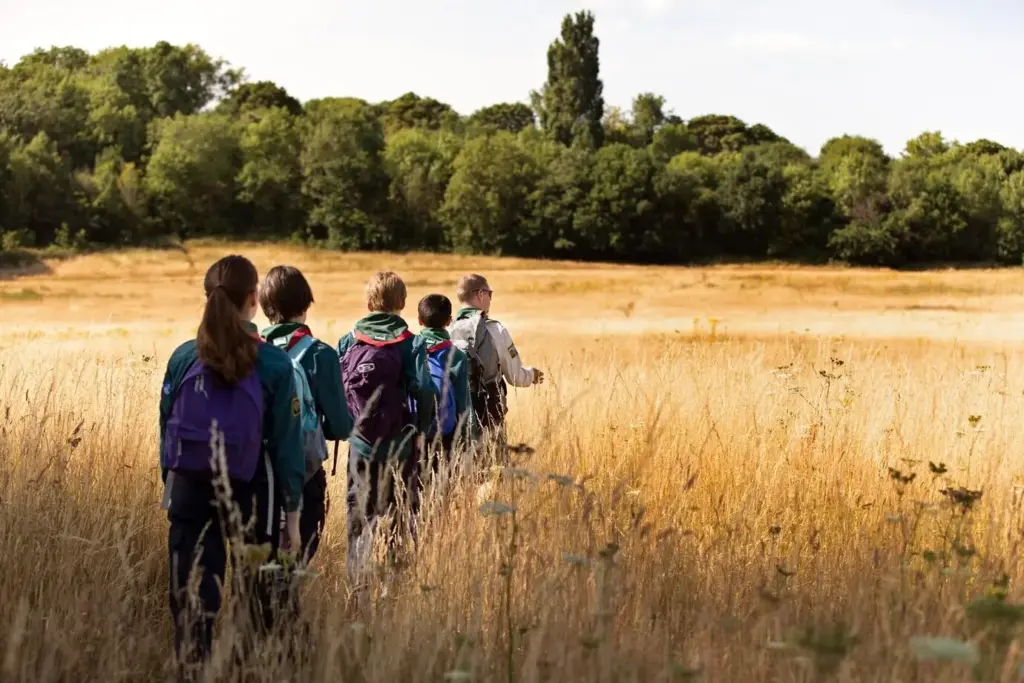
Do not assume a single town download covers your day’s loop. Rural networks of paths weave across parish boundaries and moor edges. Pre-cache broader regions, verify coverage at multiple zoom levels, and include satellite or aerial layers for orientation among scattered barns. Confirm downloads finished successfully, then test airplane mode at home. When your walk ends, tell us whether your cached tiles matched real conditions and if you found any unexpected blank squares near farms or tree belts.
Battery and Power Discipline on Long Days
Conserve energy by reducing screen brightness, disabling constant tracking when standing still, and using airplane mode with selective GPS. Carry a lightweight power bank, a short cable, and a waterproof pouch. Record only essential points of interest to limit processor load. Take short, intentional map checks at junctions instead of frequent glances. After experimenting, comment on your most effective routine and whether background recording or occasional checkpoints gave the best balance between battery life and reliable breadcrumb trails.
Emergency Info and SOS Without Data
Store useful numbers, grid reference formats, and local emergency details within your app’s notes or a pinned offline document. Learn how your device shares a precise location via emergency services where supported. Mark safe exit points, bus stops, and easy taxi pickup locations in advance. Test your phone’s ability to make emergency calls with no signal. Share any lessons after a tough situation, helping others understand what information mattered most when far from a road and running low on power.
Route Building Without Cars

Planning with GPX and Snap-to-Trail
Access Checks: Gates, Stiles, Seasonal Closures
Field Editing and Rerouting on the Fly
Paper Maps Still Earn Their Place
Safety, Weather, and Wayfinding Habits
Interpreting Waymarks and Hedgerow Landmarks
Weather Windows, Flooded Fords, and Mud Forecasts
Share Your Plan and Check-In Cadence
Community Knowledge and Good Trail Manners
Respect for Farmland, Livestock, and Gate Etiquette
Follow the golden rule: leave gates as you found them, unless clear signage instructs otherwise. Give livestock room and avoid startling animals, especially during spring. Keep dogs under control and off sensitive ground. Stick to the recorded line of the path to protect crops and trust. Share times when a friendly wave, brief chat, or slight route adjustment eased tension and maintained goodwill, demonstrating that walkers can be reliable neighbors on paths threading across working fields.
Leave No Trace Enhanced by Geo Tools
Use mapping waypoints to mark suitable rest spots, avoiding fragile banks or newly seeded margins. Pack out all rubbish and consider bringing a small bag to collect stray litter. Record streamside erosion concerns and report them to local groups. Choose quieter alternatives during busy nesting periods. After your outings, tell us which mapping cues helped you minimize impact, whether contour spacing, vegetation shading, or access notes, so others can replicate low-impact choices while still savoring wide, peaceful views.
Reporting Obstructions and Contributing Edits
When you meet a fallen branch, damaged stile, or missing sign, document respectfully. Record coordinates, take clear photos, and describe the location relative to nearby features. Submit notes through app feedback, local authority portals, or open mapping communities. Celebrate fixes publicly to encourage volunteers. After contributing, report back on response times, what details proved most helpful, and how your small correction improved later walkers’ confidence along a hedge pinched by brambles or a muddy, confusing gateway corner.