Stride Further Without the Car
Planning the Journey Without the Driver’s Seat
Timetables That Unlock the Trail
Consider rail and bus timetables as keys, not constraints. Search for routes with hourly or regular services, note request stops, and plan generous transfer windows. Download offline schedules and maps. When service is sparse, build a loop finishing near a different stop, transforming logistics into a playful puzzle rather than a barrier.
Packing Light Yet Ready for Anything
A compact daypack magnifies freedom. Prioritize layers, a windproof shell, water, snacks, and a small first-aid kit. Add a power bank, whistle, and bright cover for visibility near lanes. Paper maps complement phones when signals fade. Lighter feet, clearer mind, and fewer decisions make every mile steadier, safer, and calmer.
Reading Maps, Signs, and Rights of Way
Ordnance Survey sheets, waymarked paths, permissive tracks, and open access land invite confident wandering. Learn symbols for stiles, gates, and gradients. Cross-reference signage with GPS when hedges shift or paths split. Respect seasonal diversions and farm notices. Navigational fluency lets you improvise gracefully when curiosity nudges you toward an unplanned detour.
Transit Gateways to Quiet Lanes
Rail-to-Trail Classics Worth Chasing
Think of moorland loops starting from modest platforms, or valley paths reached by scenic branch lines like the Hope Valley or Settle–Carlisle, renowned for upland views and viaducts. Trains drop you near villages with bakeries, taprooms, and footpaths, turning every arrival into an effortless launchpad for spacious, unrushed exploration.
Buses That Beat Full Car Parks
Rural buses often slip past overflowing trailheads to quieter stops near kissing gates, bridleways, and footbridges. Drivers know local quirks, and contactless fares keep it simple. Study inbound and outbound patterns, including market-day extras. Opting for a bus can open gentler starts, surprise viewpoints, and conversations that enrich your wandering.
Savoring the Pace Between Villages
Listening to Hedges, Walls, and Histories
Hedgerows hum with lore: spindle berries brighten frost, field margins whisper of trackways trodden by drovers and millworkers. Dry-stone walls become maps of labor and patience. Pause to trace lichen, read explanation boards, and notice fingerposts carved by generations who measured time with weather, birdsong, and bell chimes.
Picnics, Farm Stands, and Village Greens
A car-free day pairs perfectly with local flavors. Pick up bread, apples, or cheese near the station, then picnic by a ford or on a hidden bench. Buy only what you can carry back. Chat with shopkeepers for path tips, seasonal shortcuts, or quiet corners where swallows sip afternoon light.
Weather, Wayfinding, and Wellbeing
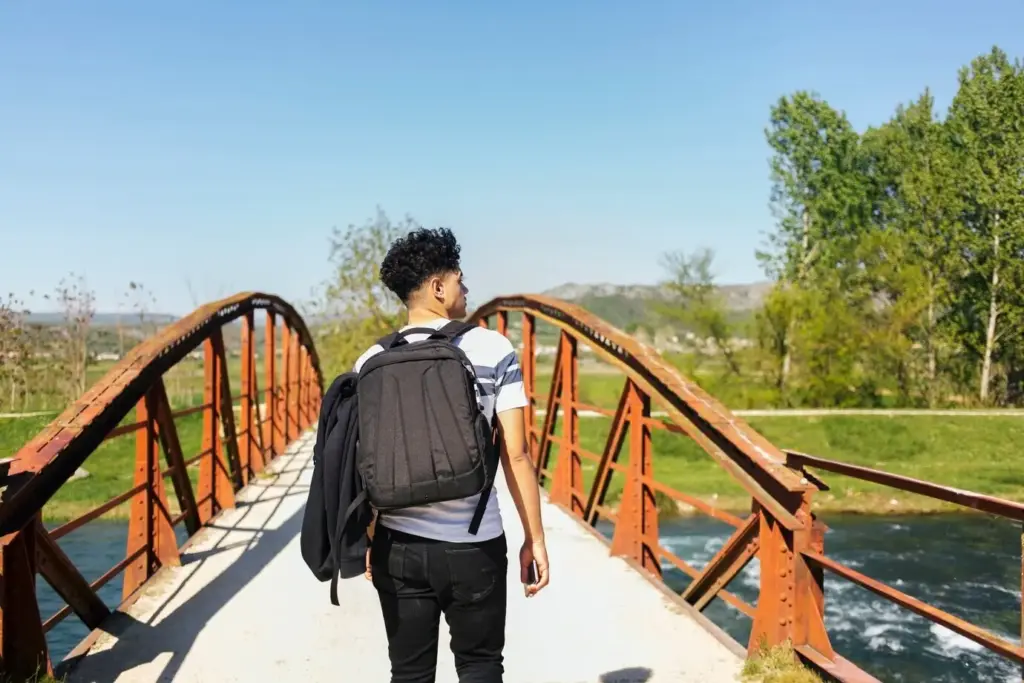
Stiles, Lanes, and Shared Spaces
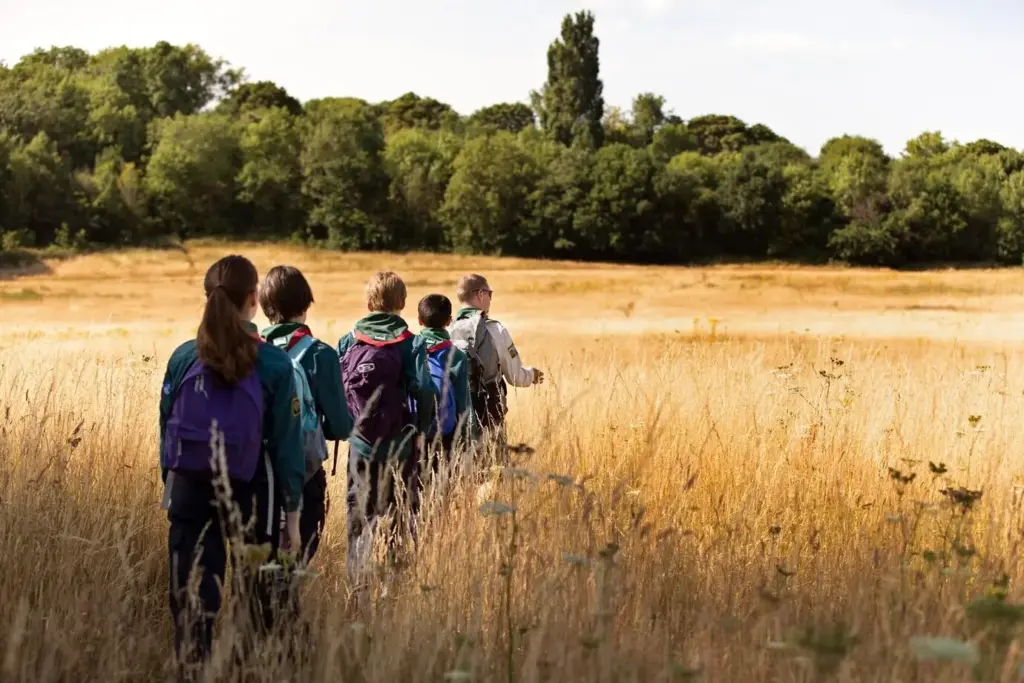
Four Seasons of Prepared Feet
Six Doorstep Escapes by Rail or Bus
Clifftops From a Sleepy Coastal Station
Arrive at a small platform where sea air greets you before the ticket gate. Follow a well-marked coastal path past coves, lighthouses, and wildflowers, looping back through fishermen’s cottages to a bakery and late train. Tide tables and seabird seasons add rhythm, wonder, and stories to carry home.
Moorland Ridge Above a Valley Village
Step off a bus in a stone-built square, then climb through woods to open heather. Trace a ridge with boundary stones, descend beside a beck, and finish at a tea room. If cloud lowers, shorten along a bridleway. Trains connect nearby, offering graceful exits without sacrificing the day’s big views.
Market Town to Market Town by Riverside
Follow a river between two bustling centers, starting after breakfast and finishing in time for a late return. Footbridges, willows, and mill relics guide the way. Picnic by a weir, then detour into a nature reserve. Explore secondhand bookshops before your bus, feeling cleverly connected yet richly unrushed.