From Tracks to Footprints: Countryside Rail‑Trail Adventures

Today we explore railway-to-trail walking paths across the countryside, where retired lines become gentle green corridors linking villages, farms, woodlands, and timeless horizons. Expect practical planning advice, real walker stories, and nature notes to spark imaginative journeys. Subscribe, share favorite routes, and tell us which converted line changed your perspective, because these pathways connect history, landscape, and community with a pace that invites reflection, curiosity, and joyful footsteps.

Finding the Line Beneath Your Feet

Every railway-to-trail carries the geometry of its past: steady gradients, sweeping curves, purposeful alignments through valleys and over embankments. Learn how those engineering choices make walking comfortable, navigable, and surprisingly revealing. We will decode mileposts, bridge plates, and drainage clues, helping you read the countryside like a slow, generous timetable. Share a photo of a favorite bridge or cutting, and we will feature community highlights in upcoming newsletters.

Why Rails Make Perfect Trails

Railways avoided steep gradients to move heavy freight efficiently, leaving behind corridors ideal for relaxed walking, mobility devices, families, and bikes. Their predictable curves feel intuitive to follow, wayfinding becomes simpler, and communities remain connected. Think of them as pre-curated scenic lines where effort stays even, vistas open gradually, and history accompanies each kilometer. Tell us what gradient surprises you most on familiar stretches near home.
Reading Old Maps and Timetables

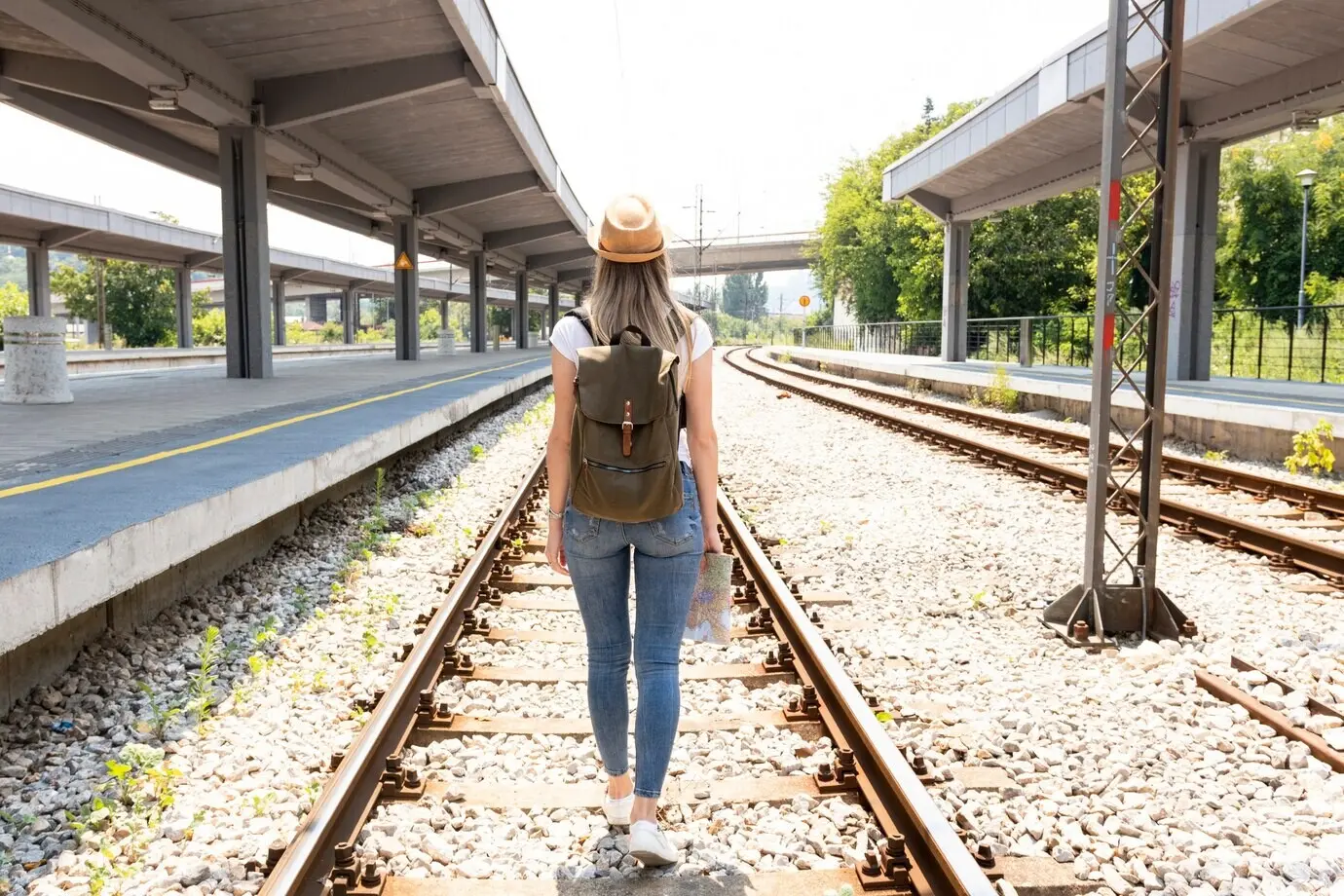
Historic maps, gradient profiles, and archived timetables reveal remarkable context: why the line hugged certain rivers, paused at particular villages, or tunneled under ridges. Bring those documents to life by tracing present paths atop past intentions. Libraries, local clubs, and digital archives welcome curious newcomers. Share your most unexpected discovery from map research, whether a lost halt, a windpump, or a vanished goods yard beside today's picnic bench.
Spotting Railway Engineering in the Landscape

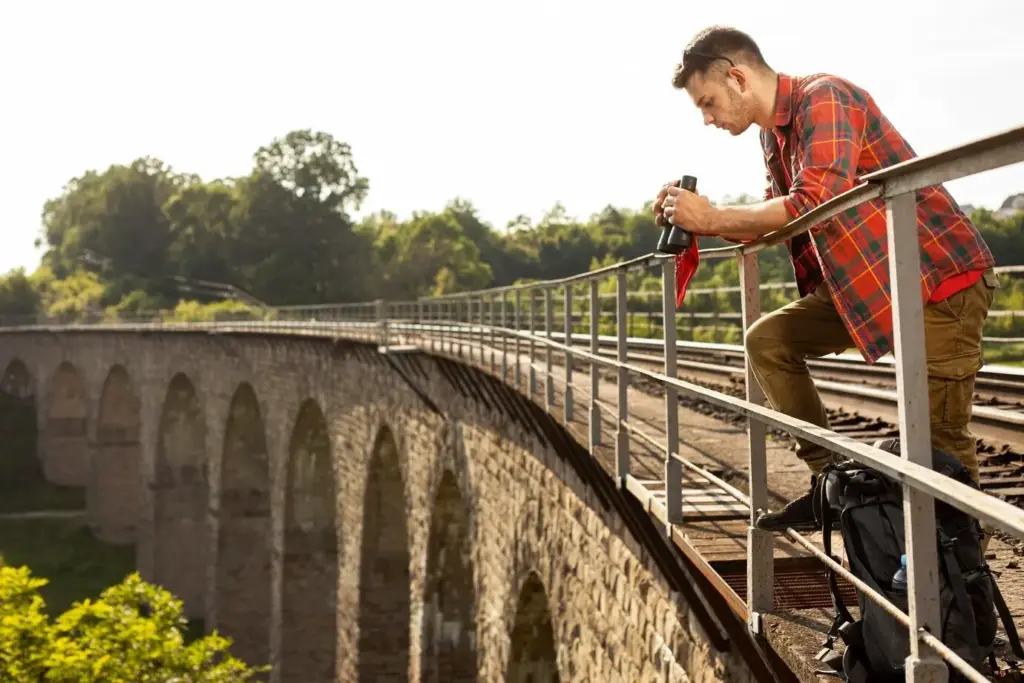
Once you know where to look, cuttings, embankments, culverts, and plate-layers' huts reveal themselves like breadcrumbs guiding a gentle adventure. Count sleeper imprints in old ballast, trace parapets on bridges, and decipher soot shadows near tunnel mouths. These details enrich ordinary miles with story. Post your favorite engineering find on our forum, and inspire others to slow down, notice textures, and celebrate lovingly reclaimed infrastructure.
Preparing for Your First Rail‑Trail Walk

Choosing Distance, Surface, and Season

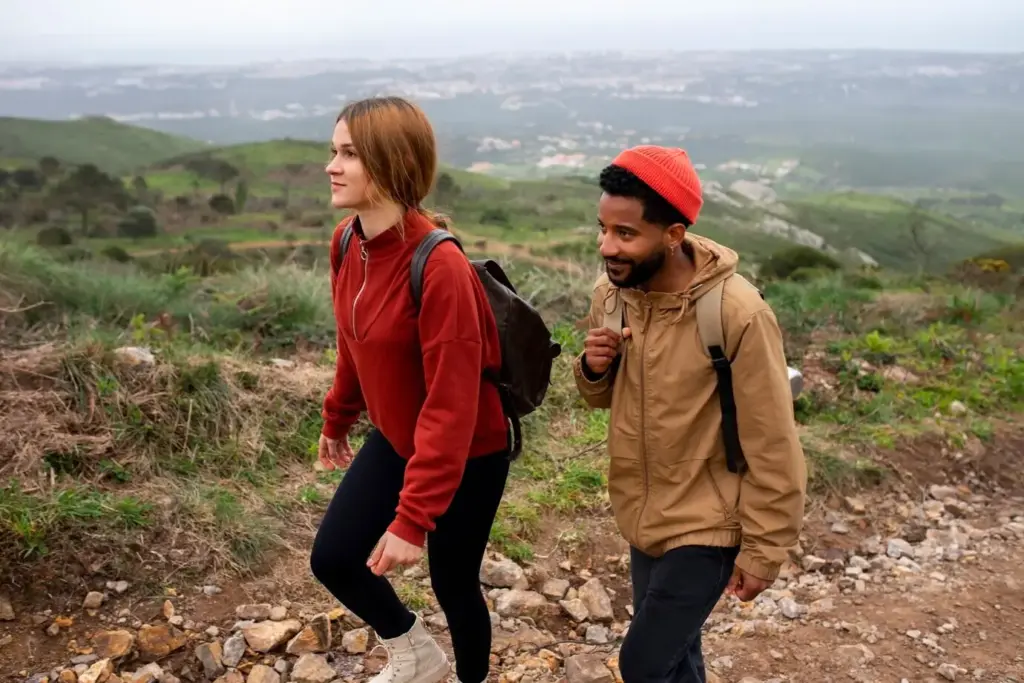
Rail-trail distances can deceive, inviting quick strides across easy grades that quietly add unexpected miles. Consider daylight, access points, train timetables, and how crushed stone, tarmac, or cinder affects comfort. Seasonal changes shift personalities: spring blossom, summer shade, autumn fern fireworks, winter frost sparkle. Share your ideal combination, and we will build sample itineraries that respect pace, celebrate pauses, and keep horizons welcoming rather than exhausting.

Packing Light but Right

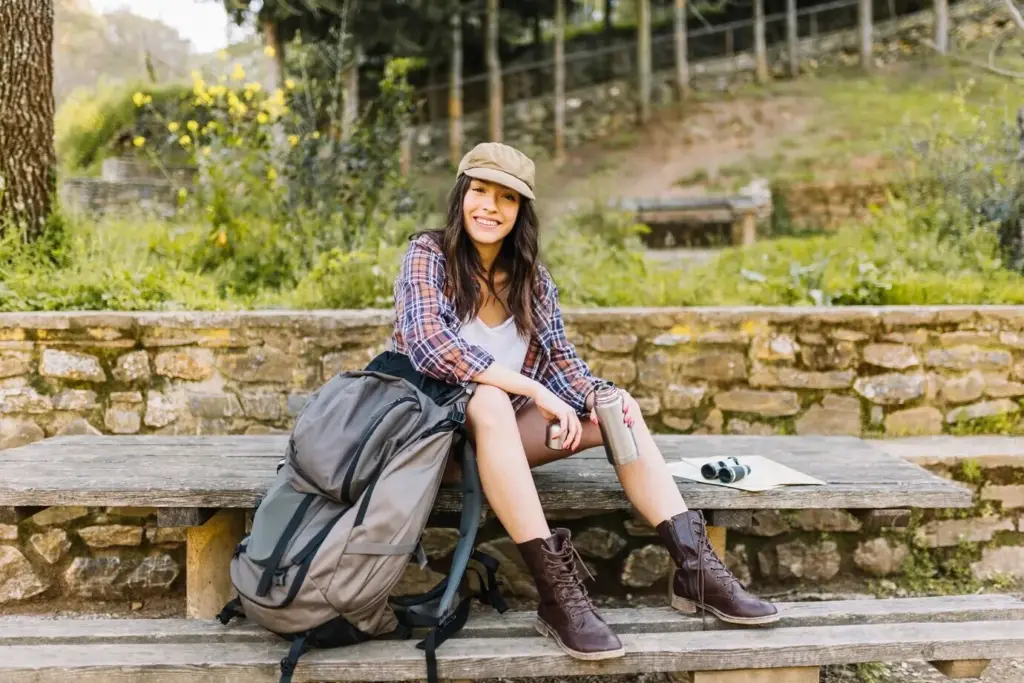
A thoughtful daypack supports comfort without fuss: layered clothing, water, snacks, a compact first-aid kit, and a spare light for tunnels or dusk platforms. Add a small sit pad for damp benches, and consider reflective bands for twilight. Place your camera near the top to capture fleeting light shafts in cuttings. Tell us your most surprising useful item, and learn from fellow walkers’ ingenious minimalism.

Travel Logistics: Out‑and‑Back or Through Route?

Out-and-back walks simplify transport and let you notice landscapes twice, from new angles. Through routes feel adventurous, demanding timetable awareness, lift-sharing, or buses linking trailheads. Consider whether station cafés open when you finish, and where sunset best floods the line. Comment with your preferred style, and we will map sample loops using bridleways, minor lanes, and glimpses of original platforms hiding behind hedges.

Stations, Sidings, and Stories

Converted stations become cafés, museums, tiny libraries, community hubs, and sometimes pure quiet. Pause to read plaques, study photographs, or imagine whistles drifting through trees. Personal memories add warmth: a porter’s tale, a conductor’s ritual, a child’s first trip. Share your family’s connection, and suggest stops where conversation brightened your day; we will build a living map of stories to accompany future walkers.

Nature Reclaims the Right‑of‑Way

Disused lines offer long ribbons of habitat, giving wildlife safe corridors through farmland and villages. Notice how hedgerows thrive on embankments, ponds gather beside cuttings, and orchids colonize limey ballast. Walk slowly, listening for wingbeats under bridges and wind combing grasses. Share sightings in comments, and help us build seasonal calendars, so families return through the year to meet blooms, migrations, and subtle, recurring wonders.

Accessibility, Safety, and Shared Use

Rail-trails promise inclusive movement thanks to gentle slopes, wider corridors, and predictable surfaces, yet considerate planning remains essential. We will outline strategies for mobility needs, courteous passing, and dealing with weather surprises. Add lighting tips for tunnels, advice about group visibility, and stories of inclusive successes. Comment with barriers you have encountered, and together we will gather solutions that keep these routes welcoming and safe.

Wheelchairs, Strollers, and Gentle Gradients

Many routes meet accessibility standards, yet surfaces and gate designs vary widely. Share details on width, camber, surface texture, and resting places to help others plan confidently. Photograph gates and describe alternatives if a barrier exists nearby. Celebrate victories when councils replace awkward chicanes, and provide constructive feedback where improvements are needed, building momentum for rail-trails that truly welcome wheels, little legs, and slower, thoughtful rhythms.

Cyclists, Dogs, and Courteous Passing

Shared paths thrive when everyone communicates. Cyclists calling early, walkers holding steady, and dogs staying close reduce surprises, especially near narrow bridges and blind curves. Consider bells, lights, and colorful bandanas that announce presence kindly. Share examples of signage that works, and propose phrasing for friendly reminders. Together we can cultivate habits that keep speeds respectful and encounters cheerful even during popular holiday weekends.

Weather, Lighting, and Emergency Planning

Long corridors can amplify wind, funnel puddles, and darken quickly in cuttings or tunnels. Pack layers, headlamps, and battery backups. Know exit points, and share grid references or whatthreewords with friends before setting out. Save local ranger numbers if available. Tell us how you prepare, and we will publish a community checklist that keeps unexpected moments manageable, memorable, and, most importantly, safely navigated without panic.

Planning Bigger Adventures

Multi‑Day Itineraries with Cozy Stops

String together segments that end at welcoming inns, farm stays, or renovated station cottages. Choose distances that leave afternoons free for exploration and conversation. Share recommendations where breakfast starts early, luggage transfer exists, or drying rooms save adventures after rain. Post your favorite two-day loop or four-day traverse, and we will compile community-tested routes celebrating comfort, curiosity, and the rhythmic pleasure of unhurried countryside travel.

Linking Trails to Trains for Car‑Free Trips

String together segments that end at welcoming inns, farm stays, or renovated station cottages. Choose distances that leave afternoons free for exploration and conversation. Share recommendations where breakfast starts early, luggage transfer exists, or drying rooms save adventures after rain. Post your favorite two-day loop or four-day traverse, and we will compile community-tested routes celebrating comfort, curiosity, and the rhythmic pleasure of unhurried countryside travel.

Capturing the Journey: Maps, Photos, and Notes

String together segments that end at welcoming inns, farm stays, or renovated station cottages. Choose distances that leave afternoons free for exploration and conversation. Share recommendations where breakfast starts early, luggage transfer exists, or drying rooms save adventures after rain. Post your favorite two-day loop or four-day traverse, and we will compile community-tested routes celebrating comfort, curiosity, and the rhythmic pleasure of unhurried countryside travel.

Kupimovonemoxami
Privacy Overview

This website uses cookies so that we can provide you with the best user experience possible. Cookie information is stored in your browser and performs functions such as recognising you when you return to our website and helping our team to understand which sections of the website you find most interesting and useful.